
The global business landscape is entering a period of rapid transformation driven by technology, shifting consumer behavior, and evolving economic conditions.

What once worked as a stable business model is now being reshaped by digital innovation, global competition, and changing market expectations. In 2026, businesses are no longer just competing locally or regionally, Techniquit but operating in a highly interconnected global ecosystem where adaptation is the key to survival.
The Rise of Digital-First Business Models
One of the most significant changes in the business industry is the shift toward digital-first models. Companies are increasingly moving their operations online, from sales and marketing to customer service and product delivery. This transformation allows businesses to reach a wider audience while reducing operational costs.
Digital platforms have become the backbone of modern business strategies. E-commerce, mobile applications, and cloud-based services are now essential tools for companies of all sizes. Even traditional businesses are integrating digital systems to remain competitive in a fast-changing environment.
As a result, businesses that fail to adapt to digital transformation risk falling behind. The demand for speed, convenience, and accessibility has become a major driving force behind this shift, pushing companies to rethink how they operate and deliver value.
Artificial Intelligence Reshaping Decision Making
Artificial intelligence is playing a crucial role in transforming how businesses make decisions. From analyzing customer data to predicting market trends, AI tools are helping companies become more efficient and accurate in their strategies. This has significantly improved productivity across various industries.
Many organizations now rely on AI-powered analytics to understand consumer behavior and optimize their operations. These systems can process large amounts of data in real time, providing insights that were previously impossible to achieve through traditional methods.
However, the rise of AI also brings challenges, including concerns about job displacement and ethical use of technology. Businesses are now required to balance innovation with responsibility to ensure sustainable growth in the long term.
Also Read: Networking Scandal Revealed: What Could Destroy Your Career?
Changing Consumer Behavior and Market Expectations
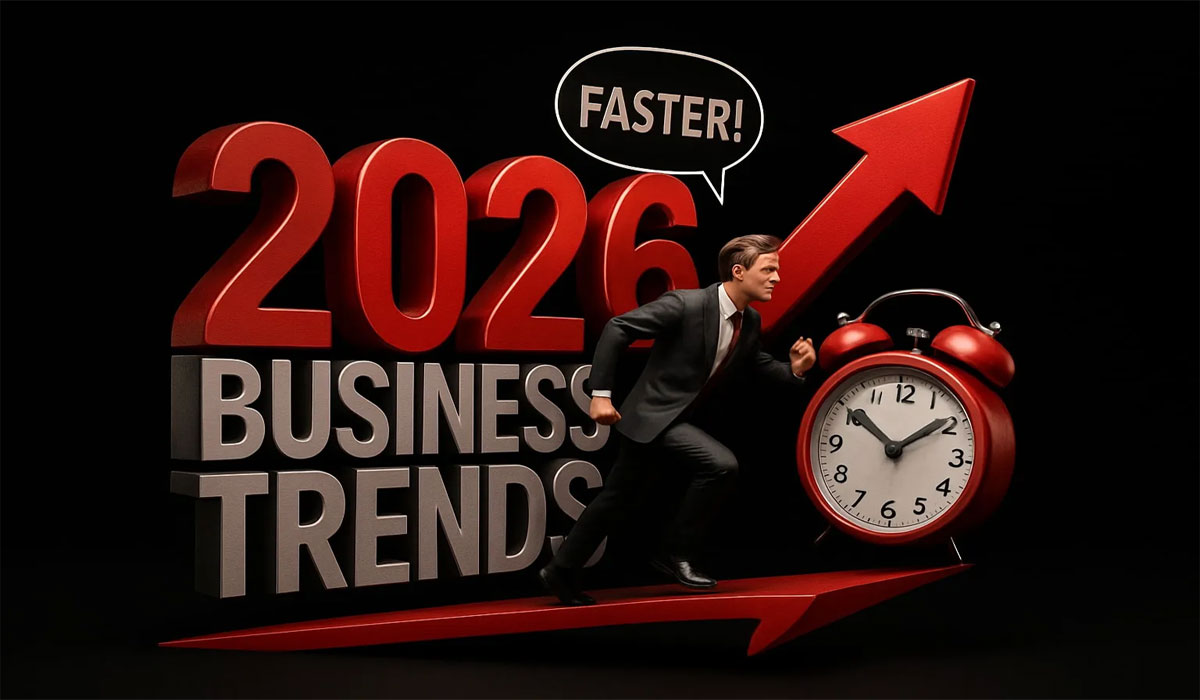
Consumer behavior has evolved significantly in recent years, influenced by digital access and global connectivity. Customers today expect personalized experiences, fast service, and transparent communication from businesses. This shift has forced companies to become more customer-centric.
Social media and online reviews now play a major role in shaping brand reputation. A single customer experience can quickly influence public perception, making reputation management more important than ever before. Businesses must actively engage with their audience to build trust and loyalty.
In addition, consumers are becoming more conscious of sustainability and ethical practices. Companies that fail to align with these values risk losing relevance in a competitive marketplace where awareness and accountability matter greatly.
Global Competition and Economic Uncertainty
The business world is also facing increased global competition as companies expand beyond their local markets. This creates both opportunities and challenges, as businesses must now compete with international players offering similar products and services.
Economic uncertainty, including inflation and fluctuating markets, adds another layer of complexity. Businesses must remain flexible and resilient to survive in an environment where financial conditions can change rapidly. Strategic planning has become more important than ever.
At the same time, globalization has opened new doors for innovation and collaboration. Companies can now partner across borders, access new markets, and leverage global talent to strengthen their competitive advantage.
Conclusion
The business industry in 2026 is undergoing a massive transformation shaped by digital innovation, artificial intelligence, changing consumer expectations, and global competition. These forces are redefining how companies operate and compete in the modern world.
While these changes present significant challenges, they also create new opportunities for growth and innovation. Businesses that embrace adaptability, technology, and customer-focused strategies will be better positioned to succeed in this evolving landscape.
Image Information Source:
- First Image of realestatedatabase.info
- Second Image of realestatedatabase.info






Leave a Reply