
The global business landscape is entering a new era of transformation, driven by rapid technological advancement.
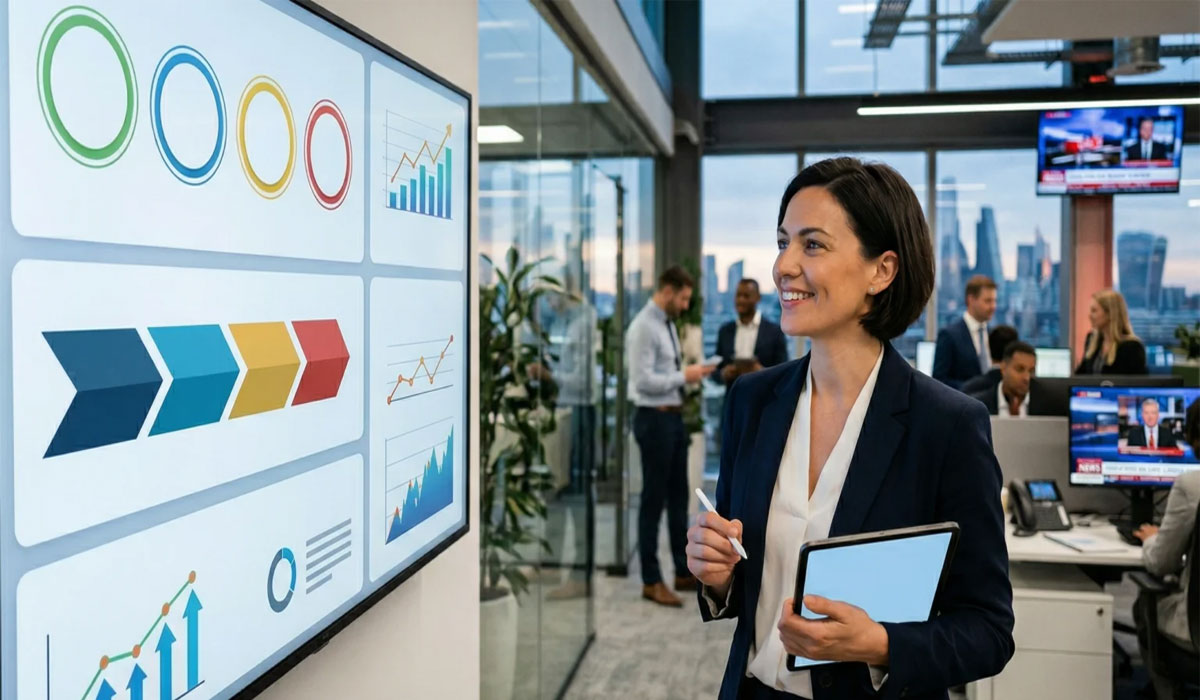
Shifting consumer behavior, and evolving economic priorities. Ultimately, the future of business belongs to those who are willing to innovate, embrace technology, and respond to the changing needs of society. See and follow the complete information only at Techniquit.
The Rise of AI-Driven Business Models
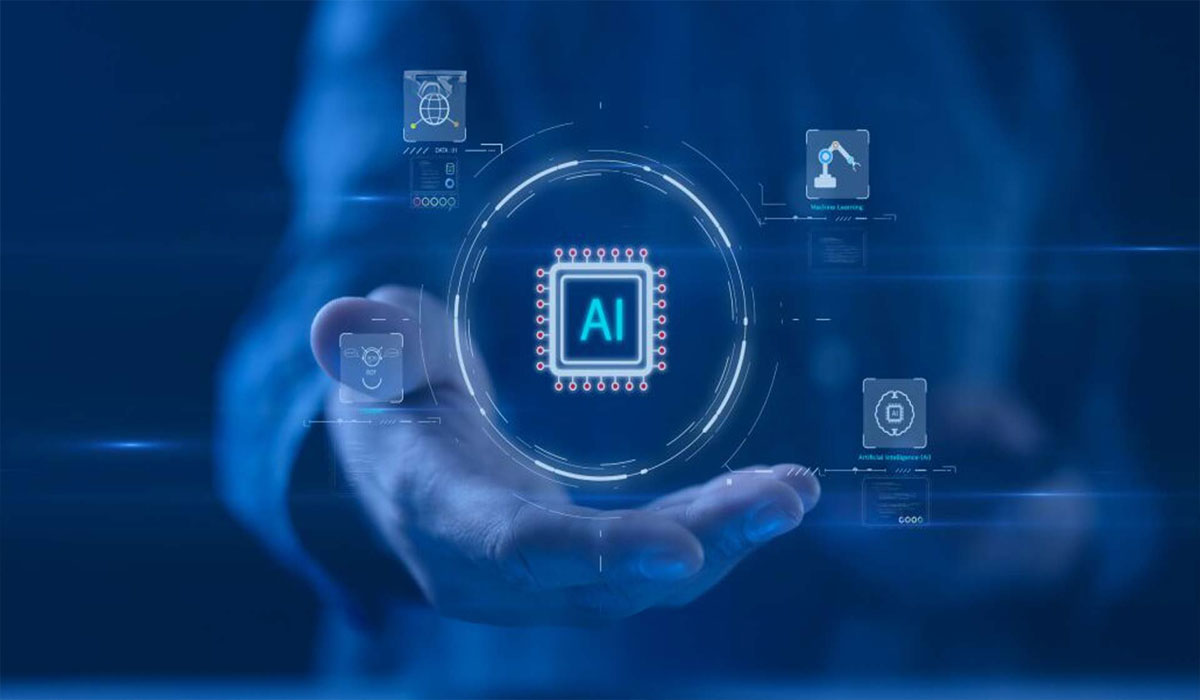
Artificial intelligence is no longer just a supporting tool; it has become the core engine of modern business strategy. Companies across industries are using AI to automate operations, predict market trends, and enhance customer experiences.
This shift is allowing even small businesses to compete with larger corporations. With AI-powered tools, startups can analyze massive datasets, optimize pricing strategies, and personalize marketing campaigns with unprecedented accuracy.
As we move closer to 2026, experts predict that AI-driven decision-making will become the standard rather than the exception. Businesses that fail to adopt these technologies risk falling behind in an increasingly competitive global market.
The Explosion of Digital-First Entrepreneurship
The concept of entrepreneurship has dramatically evolved with the rise of digital platforms. Today, individuals can launch businesses entirely online without the need for physical infrastructure or large capital investment.
E-commerce, content creation, and app-based services are now among the fastest-growing sectors. This shift has lowered barriers to entry and empowered millions of people to become entrepreneurs from anywhere in the world.
By 2026, digital-first businesses are expected to dominate many industries. From online education to virtual consulting, the demand for remote and flexible services continues to grow at an unprecedented pace.
Also Read: VIRAL! The Business Trend That Could Make or Break Companies in 2026
Sustainability as a Core Business Strategy
Sustainability is no longer just a corporate responsibility initiative; it has become a key driver of business success. Consumers are increasingly choosing brands that prioritize environmental and social impact.
Companies are now integrating green technologies, reducing carbon footprints, and adopting circular economy models. These practices not only benefit the environment but also enhance brand reputation and customer loyalty.
Looking ahead, regulatory pressure will likely increase, forcing more businesses to adopt sustainable practices. Those who lead in this area will gain a significant competitive advantage in the global market.
The Shift Toward Hyper-Personalized Consumer Experience
Modern consumers expect highly personalized experiences tailored to their individual needs and preferences. Businesses are responding by leveraging data analytics and machine learning to deliver customized products and services.
From personalized shopping recommendations to AI-driven customer support, companies are investing heavily in technologies that enhance user satisfaction. This level of personalization is becoming a key differentiator in crowded markets.
As consumer expectations continue to rise, businesses that fail to deliver personalized experiences risk losing relevance. In 2026, personalization will not just be an advantage but a necessity for survival.
Conclusion
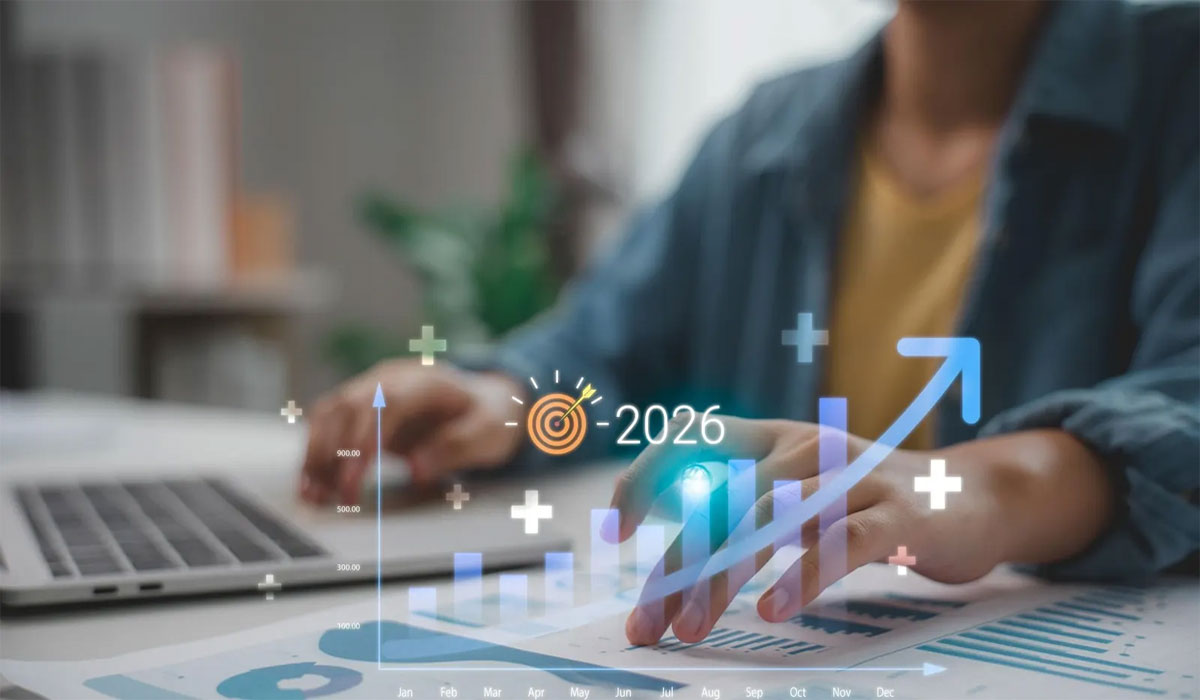
The business trends shaping 2026 highlight a world that is becoming more digital, intelligent, and customer-focused. Artificial intelligence, digital entrepreneurship, sustainability, and personalization are no longer optional strategies but essential pillars of success.
Companies that adapt quickly to these changes will thrive in the evolving global economy, while those that resist transformation may struggle to stay competitive.
Image Source:
- First Image from indochem.co.id
- Second Image from halodoc.com




Leave a Reply