
Security systems are designed to protect people, property, and digital information From CCTV cameras in public spaces to advanced cyber security.
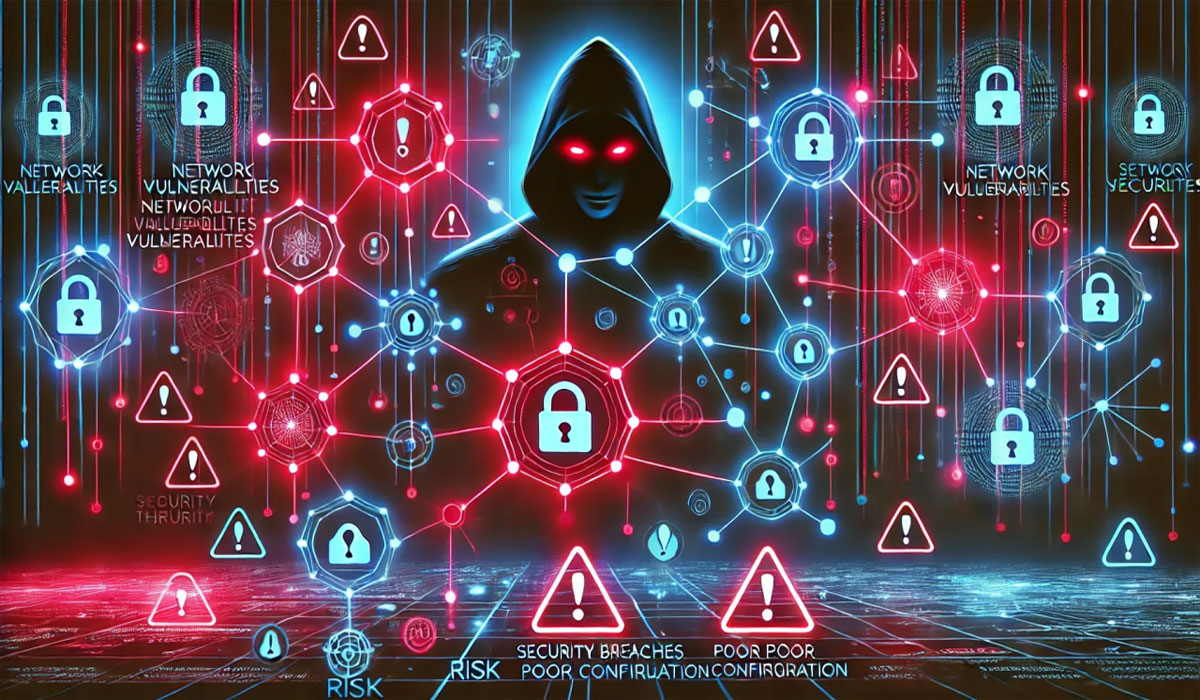
Tools used by corporations, these systems play a major role in maintaining safety in modern life. However, behind their protective function, there are also hidden risks that many people do not fully understand. These risks can come from technology failures, human errors, or even deliberate attacks that exploit weaknesses in the system. See and follow the complete information only at Techniquit.
The Growing Dependence on Security Systems
In today’s world, almost every aspect of life depends on some form of security system. Homes use smart locks and surveillance cameras, companies rely on firewalls and encryption, and governments invest heavily in digital monitoring systems. This widespread adoption has created a sense of safety and convenience for many users.
However, this growing dependence also creates a major concern. When people rely too heavily on technology, they may ignore basic security practices. For example, users often assume that smart security devices are fully reliable and forget to update passwords or software regularly. This behavior can open the door to potential vulnerabilities.
Another issue is that many security systems are interconnected. While this improves efficiency, it also increases the risk of a chain reaction if one system is compromised. A single weak point in a network can potentially expose an entire system to unauthorized access or disruption.
Cyber Threats Targeting Modern Security Systems
One of the biggest hidden dangers in security systems today is cyber attacks. Hackers continuously search for weaknesses in software and networks to gain unauthorized access. These attacks can target personal devices, corporate databases, or even national security infrastructure.
Many cyber threats are becoming more sophisticated. Attackers no longer rely on simple methods but use advanced techniques such as phishing, ransomware, and social engineering. These methods are designed to trick users into revealing sensitive information or granting access to secure systems.
The impact of these attacks can be severe. In some cases, data breaches expose personal information of millions of users. In other situations, companies suffer financial losses and reputational damage. This highlights how important it is to strengthen digital defenses and stay alert to emerging threats.
Physical Security Weaknesses and Human Error
While digital threats are widely discussed, physical security systems also have their own risks. CCTV cameras, access control systems, and alarm systems can all be vulnerable if not properly maintained or configured. In some cases, outdated equipment can fail at critical moments.
Human error is another major factor that weakens security systems. Employees or users may accidentally leave systems unlocked, share access credentials, or fail to follow proper procedures. These simple mistakes can create serious security gaps that are easily exploited.
Additionally, insider threats are a growing concern. Individuals who already have authorized access to a system may misuse their privileges for personal gain or malicious intent. This type of risk is often harder to detect because it comes from within the organization itself.
Also Read: Shocking! Are You Breaking Tech Laws Without Knowing It?
The Future of Security Systems and Emerging Risks
As technology continues to evolve, security systems are becoming more advanced with the use of artificial intelligence and automation. These innovations help detect threats faster and improve overall efficiency. However, they also introduce new types of risks that were not present before.
For example, AI-powered security systems can be manipulated if attackers manage to feed them false data. This can lead to incorrect decisions or failures in threat detection. As systems become more complex, the potential for unexpected vulnerabilities also increases.
Looking ahead, the challenge will be to balance innovation with safety. Developers and organizations must ensure that new technologies are tested thoroughly and updated regularly. Without proper oversight, even the most advanced security systems can become targets for exploitation.
Conclusion
Security systems are essential in protecting modern society, but they are not without risks. From cyber attacks and physical vulnerabilities to human errors and emerging technological threats, there are many hidden dangers that can compromise their effectiveness. Understanding these risks is the first step toward building stronger and more reliable systems. As technology continues to advance, continuous improvement, awareness, and proper security practices will be crucial in ensuring that these systems remain safe and trustworthy.
Image Information Source:
- First Image of www.instamojo.com
- Second Image of www.instamojo.com






Leave a Reply