
Technology no longer sits quietly in the background of daily life. It shapes how we communicate, work, learn, travel, shop, and even how we take care of our health.
From powerful smartphones to intelligent home devices, modern innovations in phones and technology are redefining convenience and transforming human behavior in ways that were unimaginable just a decade ago. In the following, Techniquit will discuss how to do business with modern technology skills.
Smartphones as the Center of Modern Life
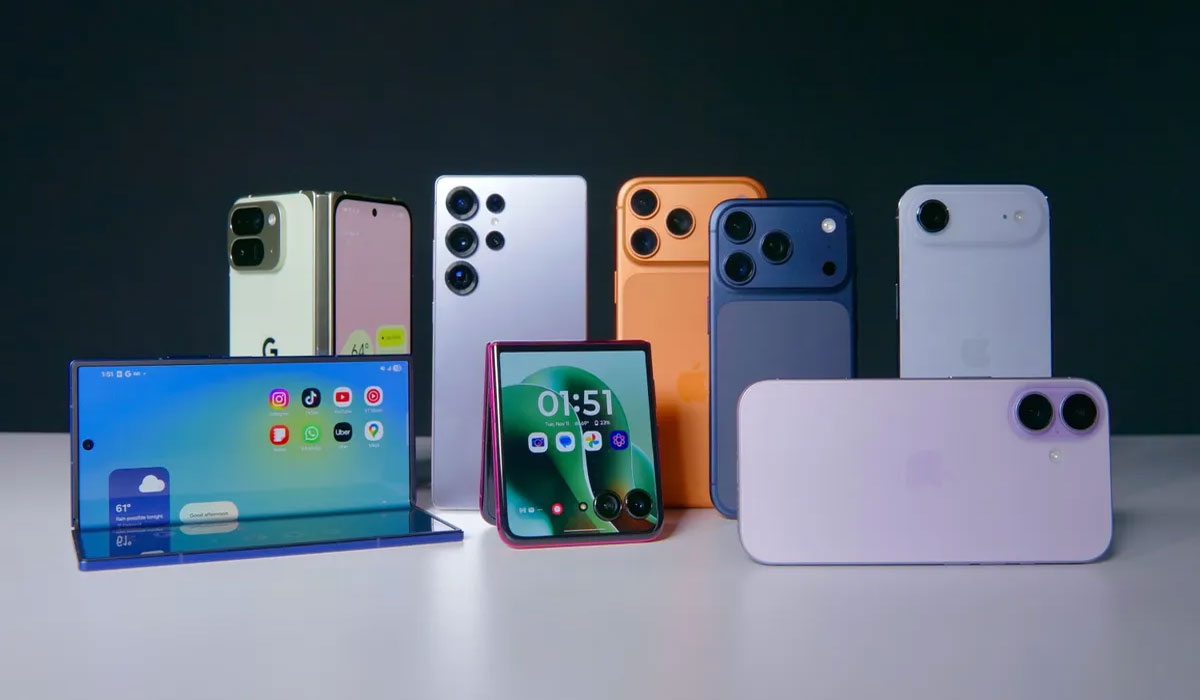
Smartphones have evolved from simple communication tools into powerful multifunctional devices that act as the control center of modern living. Today’s smartphones combine computing power, high-resolution cameras, navigation systems, and digital wallets into one compact device that fits in a pocket. This transformation has made phones essential for both personal and professional activities.
With mobile applications, people can manage finances, attend virtual meetings, book transportation, order food, and access global information instantly. Social interaction has also shifted heavily toward mobile platforms, where messaging apps and social media allow real-time communication across continents. The smartphone is no longer just a device, but an extension of the user’s lifestyle.
In addition, advancements in artificial intelligence within smartphones have enhanced user experience. Features such as voice assistants, facial recognition, smart photography, and predictive text make devices more intuitive and personalized. As smartphones continue to integrate smarter technologies, they further simplify complex daily tasks and save valuable time.
Smart Homes and Connected Living
The concept of smart homes has gained rapid popularity as technology allows devices to communicate with each other through the Internet of Things. Lights, thermostats, security cameras, refrigerators, and even door locks can now be controlled remotely through smartphones. This connectivity offers convenience, energy efficiency, and improved security.
Smart home systems learn user habits and adjust automatically. For example, lighting can dim in the evening, air conditioning can optimize room temperature based on occupancy, and security systems can alert homeowners instantly of unusual activity. These automated responses create a seamless living environment that requires minimal manual intervention.
Beyond convenience, smart homes contribute to sustainability. Energy consumption can be monitored and reduced through intelligent control systems, helping households lower utility costs and environmental impact. As more devices become interconnected, homes are turning into intelligent ecosystems that support comfortable and efficient living.
Also Read: Modern Business and the Future of Enterprises in the Technology Era
Wearable Technology and Personal Health
Wearable technology has introduced a new dimension to personal health and fitness management. Smartwatches, fitness bands, and health trackers monitor heart rate, sleep patterns, steps, and calories burned throughout the day. This constant data collection empowers individuals to make informed decisions about their health.
These devices also play a critical role in early detection and prevention. Alerts for irregular heartbeats, reminders to stay active, and stress monitoring features encourage healthier habits. Many wearables can even connect directly to healthcare providers, allowing medical professionals to monitor patients remotely.
The integration of health technology into everyday accessories reflects a broader trend of preventive healthcare. Instead of visiting doctors only when problems arise, people can now track their health continuously. Wearable technology bridges the gap between daily life and medical awareness, promoting a proactive approach to well-being.
Artificial Intelligence and the Future of Interaction
Artificial intelligence has become a driving force behind many smart innovations in phones and technology. AI enables devices to learn from user behavior and provide personalized recommendations, from music playlists to shopping suggestions. This creates a more tailored and efficient digital experience.
Virtual assistants powered by AI can perform tasks through voice commands, such as setting reminders, searching for information, or controlling smart home devices. This hands-free interaction makes technology more accessible and user-friendly, especially for multitasking or individuals with disabilities.
Looking ahead, AI is expected to deepen its role in everyday life through augmented reality, smart transportation, and advanced robotics. As devices become more intelligent, human interaction with technology will feel more natural and seamless. AI is shaping a future where machines adapt to human needs rather than the other way around.
Conclusion
Smart innovations in phones and technology are fundamentally transforming modern life. Smartphones serve as personal command centers, smart homes create connected and efficient living spaces, wearable devices promote healthier lifestyles, and artificial intelligence enhances daily interactions. Together, these advancements demonstrate how technology is not only evolving rapidly but also becoming deeply integrated into human routines. As innovation continues, the relationship between people and technology will grow even stronger, making life more convenient, informed, and connected than ever before.
Image Source:
- First Image from Cakra News
- Second Image from Cakrawala University






Leave a Reply