
In today’s fast-paced digital world, phones and technology have become essential companions that influence how we communicate.
Phones and technology have seamlessly woven themselves into the fabric of modern life, transforming the way we communicate, work, learn, and relax. What once were simple tools for basic communication have evolved into intelligent devices that act as personal assistants, entertainment hubs, and gateways to a world of information. These smart devices do more than keep us connected they shape a smarter, more efficient lifestyle where convenience, productivity, and innovation are always within reach.
In the following, Techniquit will discuss how to do business with modern technology skills.
The Evolution of Phones into Smart Devices
Mobile phones were once simple tools used only for calling and texting. Over time, rapid technological advancements transformed these basic devices into powerful smartphones capable of performing tasks once limited to computers. Today’s phones combine communication, productivity, and entertainment in a single compact device.
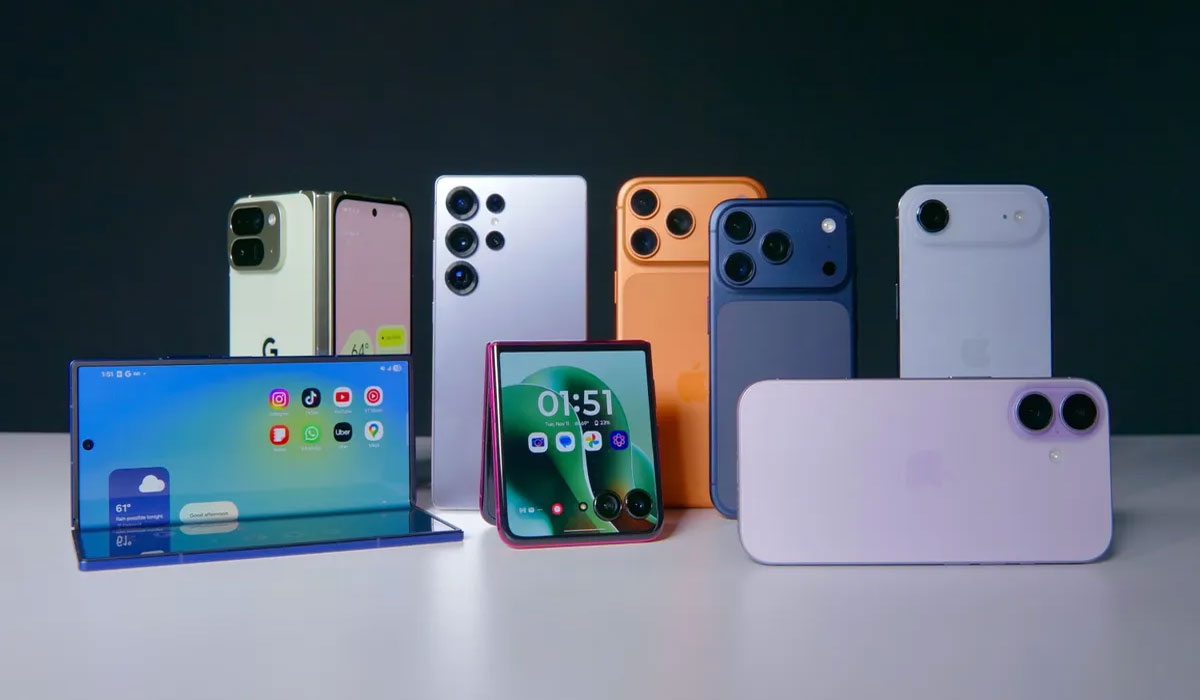
Modern smartphones are equipped with advanced processors, high-resolution cameras, artificial intelligence features, and seamless internet connectivity. These innovations allow users to browse the web, capture professional-quality photos, navigate with GPS, and access countless applications with ease. The phone has evolved into a portable digital assistant that supports daily life in remarkable ways.
This evolution has also changed how people interact with technology. Instead of sitting in front of desktops, users now rely on handheld devices that offer convenience and mobility. The smartphone’s versatility has made it an indispensable tool for individuals across all age groups and professions.
How Phones Improve Productivity and Communication
Phones and technology have revolutionized communication by making it instant and global. Messaging apps, video calls, emails, and social media platforms allow people to connect with others anywhere in the world in real time. This constant connectivity strengthens personal relationships and enhances professional collaboration.
In the workplace, smartphones boost productivity through mobile apps designed for organization, scheduling, and task management. Professionals can attend virtual meetings, edit documents, and manage projects directly from their phones. This flexibility enables remote work and improves efficiency across industries.
Educational opportunities have also expanded through mobile technology. Students can access online courses, digital libraries, and learning platforms from their devices. This accessibility to information encourages continuous learning and skill development, making education more inclusive and convenient.
Also Read: Breaking the Silence: Sexual Violence Laws & Survivor Rights
Entertainment, Lifestyle, and Daily Convenience
Phones have transformed entertainment by placing music, movies, games, and social media at users’ fingertips. Streaming services and gaming apps provide endless options for relaxation and enjoyment. This entertainment accessibility helps people unwind and enjoy leisure time wherever they are.
Beyond entertainment, smartphones simplify daily tasks. Online banking, shopping, food delivery, and ride-hailing services are now easily accessible through mobile apps. These conveniences save time and make everyday responsibilities more manageable.
Health and lifestyle management have also benefited from phone technology. Fitness trackers, meditation apps, and health-monitoring features encourage users to maintain healthier habits. Phones now play a role in tracking steps, monitoring sleep, and supporting overall well-being.
Challenges and Responsible Use of Technology
Despite their advantages, phones and technology come with challenges. Excessive screen time can lead to reduced physical activity, eye strain, and disrupted sleep patterns. It is important for users to balance their digital engagement with offline activities to maintain overall health.
Privacy and data security are also significant concerns. Smartphones store personal information, making them targets for cyber threats. Users must adopt safe practices such as strong passwords, software updates, and cautious app permissions to protect their data.
Responsible use of technology involves mindful habits and digital boundaries. Setting time limits, avoiding distractions, and using devices purposefully can help individuals benefit from technology without becoming overly dependent on it.
Conclusion
Phones and technology have reshaped modern life by enhancing communication, productivity, entertainment, and convenience. These smart devices empower people to stay connected, informed, and efficient in a rapidly changing world. However, mindful and responsible use is essential to ensure that technology serves as a helpful tool rather than a source of distraction. By balancing innovation with awareness, individuals can enjoy the many advantages that phones and technology bring to everyday life.
Image Source:
- First Image from Cakra News
- Second Image from Cakrawala University






Leave a Reply