
phones have become more than just communication tools they are gateways to a digital ecosystem that shapes the way we live, work, and connect.
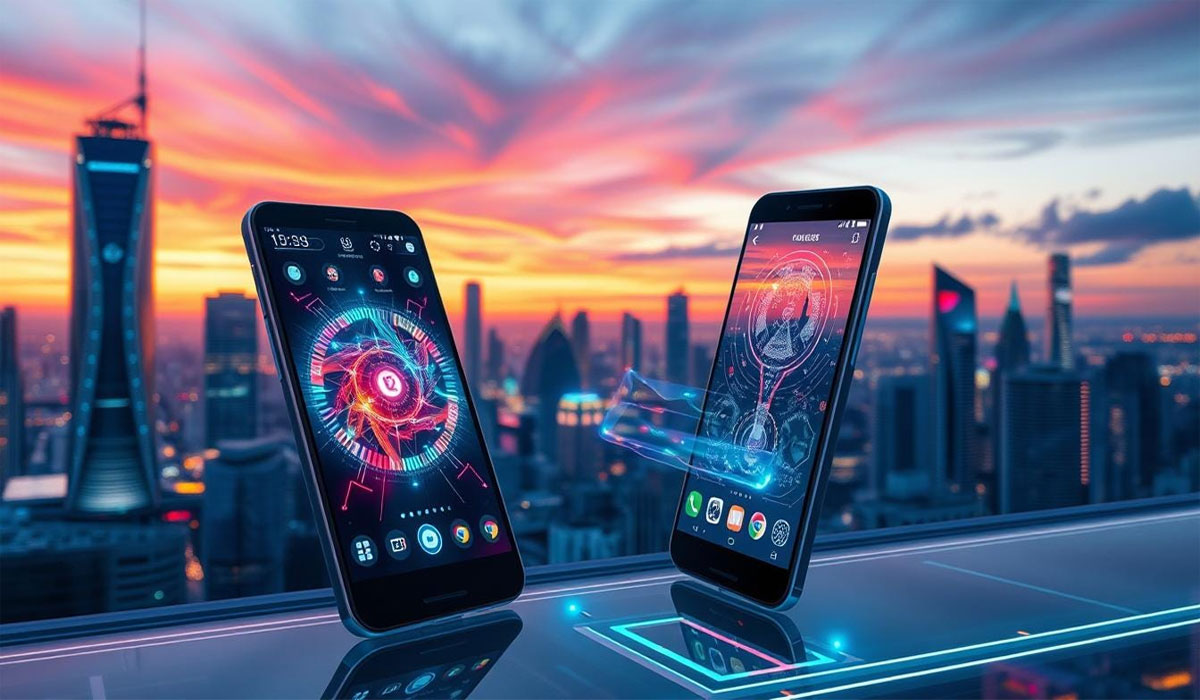
From cutting-edge innovations in hardware to breakthroughs in software and connectivity, the phone and tech industry continues to redefine possibilities. Understanding these trends is crucial for both consumers and businesses aiming to stay ahead in a digital-first era. In the following, Techniquit will discuss how to do business with modern technology skills.
The Rise of Smart Devices
Smartphones have evolved from simple communication tools to powerful mini-computers that integrate seamlessly into daily life. Modern devices are equipped with high-performance processors, advanced cameras, and AI-driven software that make multitasking faster and more intuitive than ever. Users can stream media, conduct video conferences, and manage smart homes all from a single device.
The ecosystem of apps and services available today further enhances the smartphone’s role in everyday life. From health monitoring to financial management, applications have transformed phones into essential tools for productivity, wellness, and personal growth. These smart capabilities have set a new benchmark for what users expect from their devices.
Moreover, manufacturers are investing in hardware innovation to meet consumer demand. Foldable screens, improved battery technology, and faster charging solutions are becoming standard features. These advancements make smartphones more durable, versatile, and user-friendly, emphasizing convenience alongside technological sophistication.
Artificial Intelligence and Personalization
Artificial intelligence has become a cornerstone of the modern phone experience. AI algorithms analyze user behavior to provide personalized recommendations, predictive text, and optimized device performance. These capabilities not only make devices smarter but also create a more seamless and tailored experience for each individual user.
Virtual assistants, powered by AI, are increasingly integrated into smartphones and other devices. They help manage schedules, answer questions, and even control smart home devices, making technology more accessible and efficient. This level of personalization is transforming how people interact with their phones, moving from manual input to intuitive digital assistance.
Furthermore, AI-driven photography and video editing have elevated smartphone cameras to professional-grade performance. Features like scene recognition, low-light optimization, and automatic post-processing allow users to capture stunning visuals without needing specialized equipment. This democratization of technology highlights the transformative power of AI in everyday devices.
Also Read: Networking Made Easy: Connect, Communicate And Succeed
Connectivity and the 5G Revolution
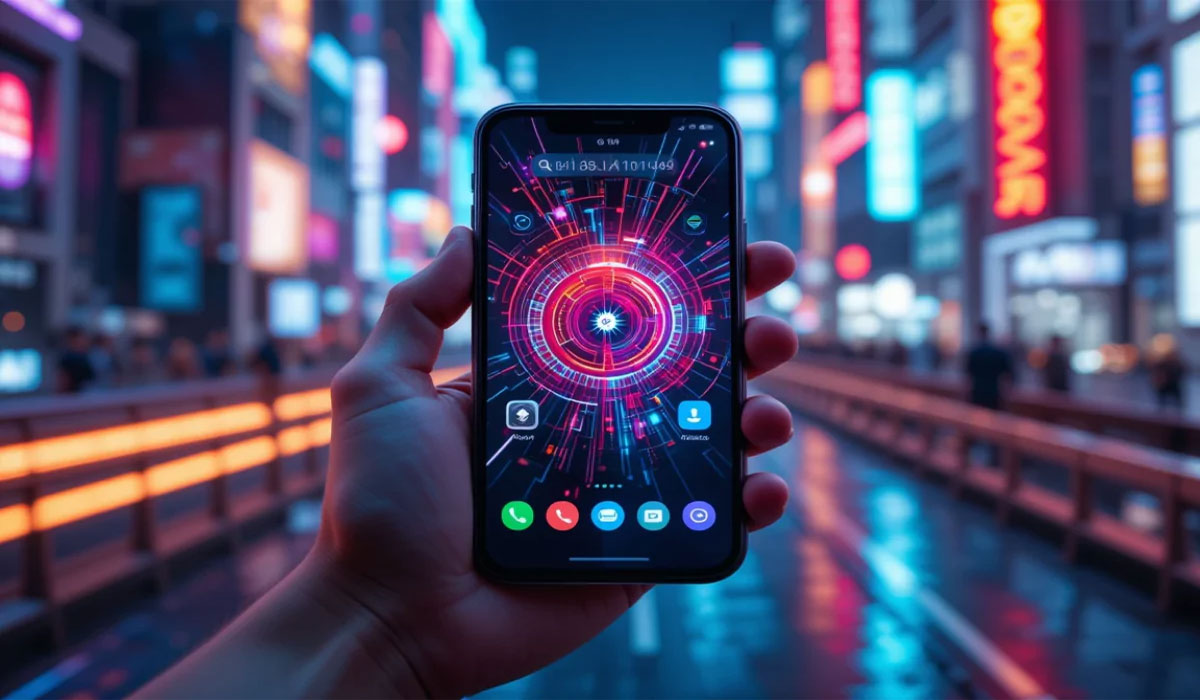
The rollout of 5G networks is revolutionizing how phones and other devices connect to the internet. With significantly faster speeds, lower latency, and greater reliability, 5G enables applications that were previously impossible or impractical on mobile devices. Users can stream high-definition content, engage in immersive gaming, and collaborate in real time from virtually anywhere.
This enhanced connectivity also fuels innovation in the Internet of Things (IoT). Smartphones now act as control hubs for smart homes, wearable devices, and connected vehicles, enabling more integrated and responsive digital environments. 5G ensures that these ecosystems function smoothly, supporting both consumer convenience and industrial applications.
Additionally, the rise of edge computing complements 5G, allowing data processing to occur closer to the user rather than relying solely on cloud servers. This reduces latency and enables real-time applications like augmented reality, virtual reality, and telemedicine to operate efficiently on mobile devices, transforming both personal and professional digital experiences.
Sustainability and Ethical Innovation
As the demand for new devices grows, sustainability and ethical production have become critical considerations in the tech industry. Companies are increasingly focusing on recyclable materials, energy-efficient designs, and reducing e-waste through trade-in and refurbishment programs. Consumers are now more informed and conscious of the environmental impact of their technology choices.
Ethical innovation also extends to data privacy and cybersecurity. Manufacturers are developing stronger encryption, secure authentication methods, and privacy-focused software to protect user information. This ensures that as technology becomes more integrated into daily life, personal data remains secure.
Moreover, companies are exploring ways to make devices more inclusive and accessible. Features like voice commands, screen readers, and adaptive interfaces ensure that phones can serve users with varying abilities. This emphasis on ethical design reflects a broader commitment to social responsibility alongside technological advancement.
Conclusion
The world of phones and tech is evolving at an unprecedented pace, driven by innovation, AI, connectivity, and ethical considerations. Smartphones have transformed into essential tools that go beyond communication, influencing productivity, entertainment, and personal well-being.
With AI and 5G enabling smarter, faster, and more immersive experiences, users can enjoy highly personalized and interconnected digital environments. At the same time, sustainability, privacy, and inclusivity are shaping the future of technology, ensuring that innovation benefits both people and the planet. As phones continue to redefine possibilities, understanding these trends is essential for anyone navigating the digital future.
Image Source:
- First Image from Cakra News
- Second Image from Cakrawala University




Leave a Reply