
Artificial Intelligence helps modern education become more effective and ready to face future learning challenges in the global digital era.
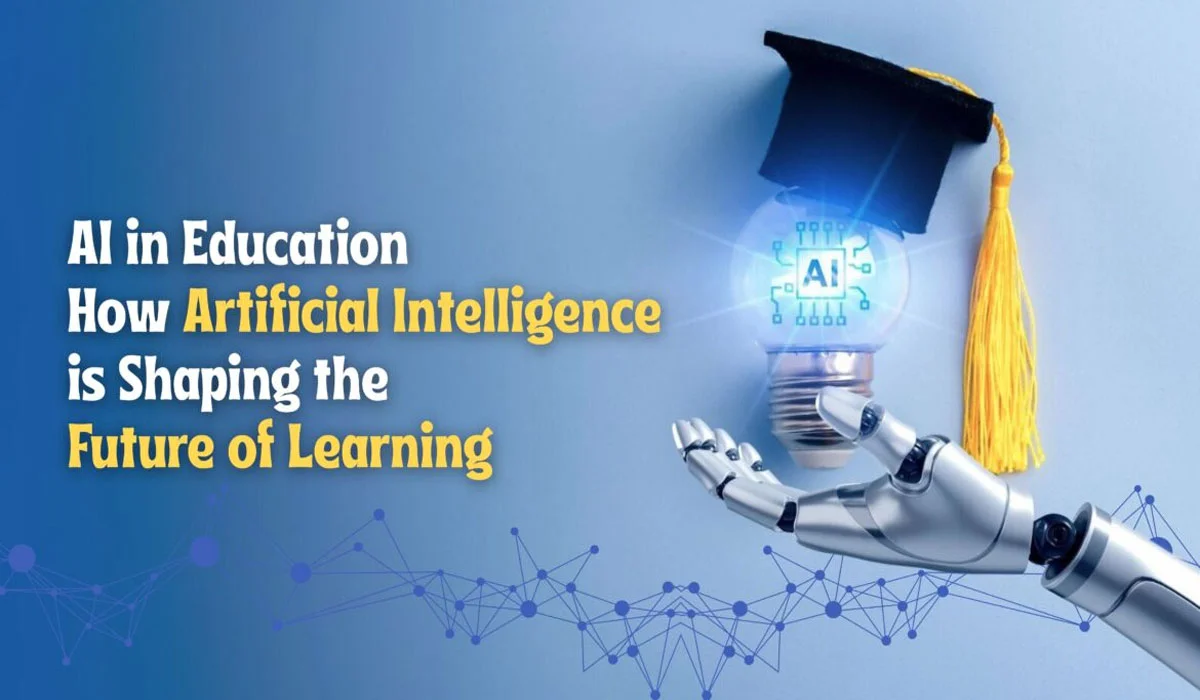
Artificial Intelligence is a technology that enables education systems to adapt intelligently to improve the quality of future learning more effectively. Below, Techniquit will discuss the various important roles of artificial intelligence in the transformation of modern education.
More Personalized and Adaptive Learning
Technological advancements have made the learning process far more personalized than conventional methods. By utilizing Artificial Intelligence, educational platforms can automatically analyze students’ learning patterns, speed of comprehension, and learning style preferences. The results of this analysis are then used to adjust the material, the difficulty level of questions, and even recommend the most relevant content.
This adaptive approach helps each individual learn according to their needs, rather than following the general classroom rhythm. For example, digital learning systems can now provide additional practice on topics where students are still weak, while accelerating progress on material already mastered. As a result, learning effectiveness increases, and the educational experience feels more efficient and focused.
Automation of Educational Administrative Tasks
Administrative burdens often take up time that educators could otherwise focus on the teaching process. The advent of Artificial Intelligence helps automate various routine tasks such as grading multiple-choice assignments, managing attendance, and preparing academic reports. With an integrated system, the evaluation process can be faster and minimize human error.
This automation not only saves time but also improves the overall accuracy of educational data. As an illustration, many institutions now use automated grading systems for online exams, allowing results to be obtained in real time. With reduced administrative work, educators have more room to develop creative and high-quality teaching strategies.
Also Read: Samsung Galaxy S21 Ultra Camera Tips, From Setup To Stunning Shots
Improving Global Access to Education

One of the most significant impacts of technological developments is the opening up of broader access to education. Through the support of Artificial Intelligence, online learning platforms are able to reach remote areas that previously lacked adequate educational facilities. Automatic translation systems, cross-language material recommendations, and virtual tutors make the learning process more inclusive.
This is crucial in reducing educational disparities between regions and countries. A concrete example is seen in global online course platforms that can now customize content based on the user’s location and abilities. With this technological support, quality education is no longer limited to large institutions in major cities but is becoming more accessible to a wider audience.
Data Analytics for Educational Decision-Making
Modern educational institutions increasingly rely on data to improve the quality of academic services. The use of Artificial Intelligence enables rapid and in-depth analysis of large-scale educational data. Systems can identify trends in student performance, graduation rates, and even potential dropout risks early on. This information is invaluable for schools and policymakers in designing targeted interventions. For example, education analytics dashboards can now provide early warnings when academic performance consistently declines.
Ethical Challenges and Future Readiness
Despite offering numerous benefits, the implementation of advanced technology in education still presents challenges that require serious attention. The use of Artificial Intelligence raises issues related to student data privacy, the potential for algorithmic bias, and the readiness of educators to adapt to new systems.
Without adequate regulations and digital literacy, technology implementation can actually create new inequalities. Therefore, educational institutions need to prepare robust data protection policies and training programs for teaching staff. A balanced approach between innovation and responsibility is key to ensuring that digital transformation in education is safe, ethical, and sustainable in the long term.
Image Source:
- First Image from: www.sanskrutividyasankul.com
- Second Image from: www.freepik.com




Leave a Reply