
A groundbreaking transformation reshaping the tech world is redefining innovation, AI systems, and global digital industry growth up.
Below, TEACHING will provide some explanations regarding Reinventing Learning Systems for an Innovation-Driven Future.
The Dawn of a New Digital Era
The global technology landscape is entering a powerful new phase as rapid innovation and interconnected systems reshape every level of industry. Artificial intelligence, cloud computing, and advanced automation are no longer isolated tools; instead, they are merging into unified ecosystems that redefine how industries operate.
At the same time, companies of all sizes are actively adapting to this transformation at an unprecedented speed. Startups now leverage advanced digital tools to challenge established corporations directly, while large enterprises restructure their operations to stay agile and competitive. This digital evolution drives a more competitive, fast-moving, and highly intelligent global tech environment where innovation sets the pace of success.
Artificial Intelligence at the Core of Innovation
Artificial intelligence has become the driving force behind this technological revolution. From predictive analytics to generative systems, AI is enabling machines to perform tasks that once required human intelligence. Industries such as healthcare, finance, education, and manufacturing are integrating AI to improve accuracy, reduce costs, and deliver more personalized experiences.
Moreover, AI is no longer limited to experimental use cases. It is now embedded in everyday applications, powering recommendation systems, virtual assistants, and automated decision-making tools. As AI continues to evolve, it is expected to reshape job roles, enhance productivity, and redefine the boundaries between human and machine collaboration.
Read Also: Warning: These Security Gaps Could Cost You Everything
Cloud Computing and the Rise of Hyper-Connectivity
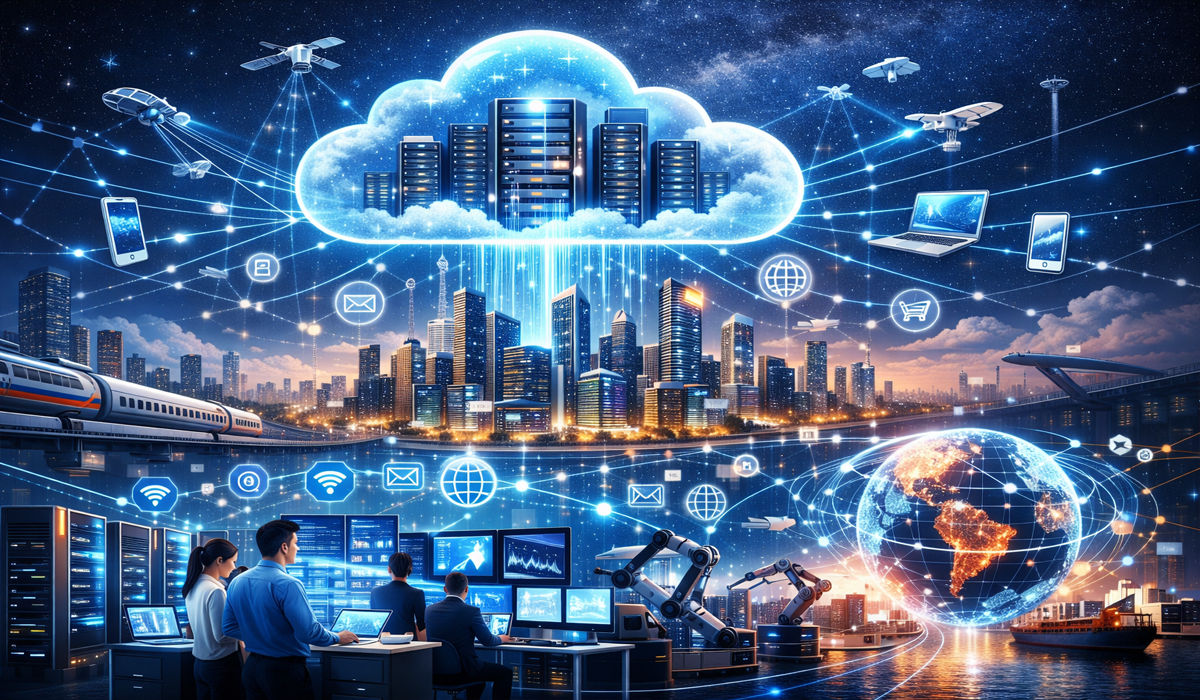
Cloud computing has become the backbone of modern digital infrastructure, allowing businesses to store, process, and analyze massive amounts of data in real time. This shift has eliminated many traditional limitations related to hardware and physical storage, enabling organizations to scale rapidly and operate more efficiently across global markets.
In addition, hyper-connectivity between devices and systems is creating a fully integrated digital ecosystem. The rise of Internet of Things (IoT) technologies is connecting everything from smart homes to industrial machines. Allowing real-time communication and data exchange. This level of connectivity is accelerating innovation and transforming how people interact with technology in daily life.
The Future Impact on Society and Global Industries
As this transformation continues, its impact on society is becoming increasingly profound. Entire industries are being reshaped. With traditional business models giving way to digital-first strategies. Education systems are evolving to include digital literacy as a core skill. while governments are investing heavily in smart infrastructure and cybersecurity frameworks.
Looking ahead, the integration of emerging technologies will likely deepen even further, creating new opportunities and challenges. While concerns about job displacement and data privacy remain. The overall trajectory points toward a more efficient, intelligent, and interconnected world. This groundbreaking transformation is not just reshaping the tech world it is redefining the future of human progress itself.
For the latest and most interesting related information, you can also click the TEACHING link.
Image Source:
First Image from techniquit.com
Second Image from www.oax.org




Leave a Reply