
The world of smartphones and technology is evolving at an unprecedented rate, and with 2026 on the horizon, the innovations we once imagined are becoming reality.
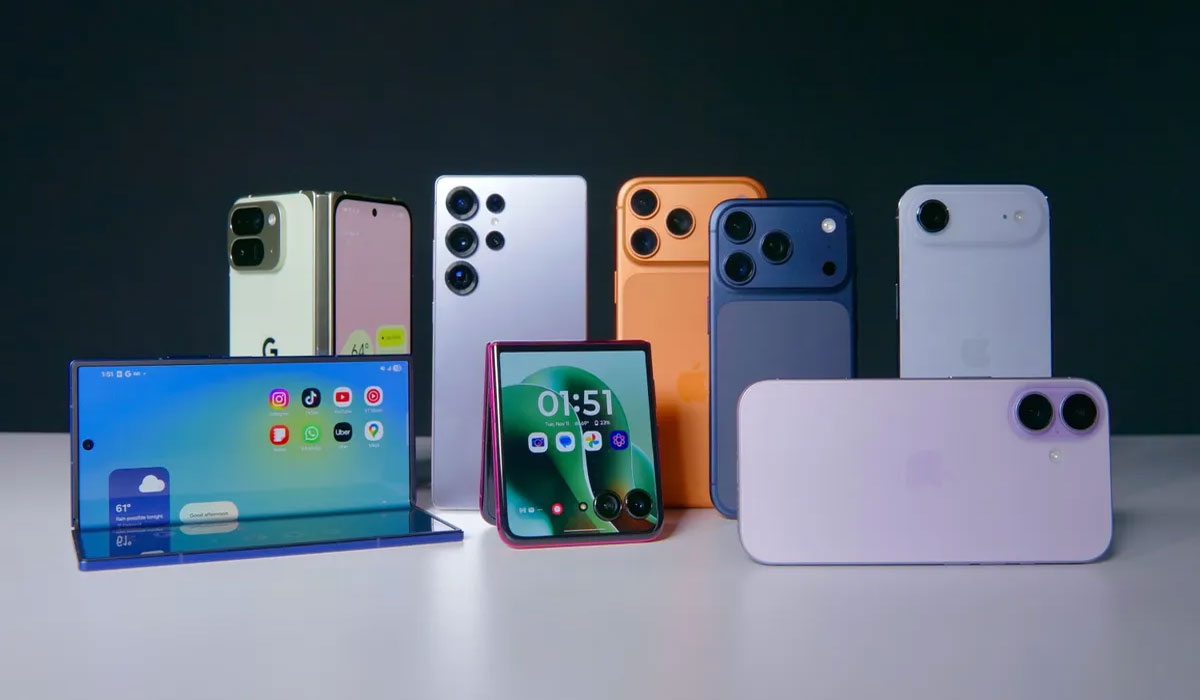
From the introduction of AI-powered assistants to foldable screens and 5G connectivity, the future of mobile tech is more exciting than ever. As we look ahead, it’s clear that we are on the verge of even more groundbreaking advancements in the way we interact with our devices. In the following, Techniquit will discuss how to do business with modern technology skills.
The Rise of AI Integration in Smartphones
Artificial Intelligence (AI) has come a long way, and its integration into smartphones is one of the most significant changes in recent years. By 2026, AI will no longer be just a feature; it will be the backbone of how smartphones operate. Imagine a device that learns from your habits, predicts your needs, and automates tasks seamlessly, all without any direct input from you.
From improving battery life by managing power consumption intelligently to optimizing camera settings based on lighting conditions, AI is set to revolutionize every aspect of our smartphones. Virtual assistants like Siri, Google Assistant, and Alexa will become more conversational, able to engage in nuanced dialogues and understand the context behind your requests. AI’s ability to personalize your smartphone experience will redefine the relationship we have with our devices, turning them from mere tools into intuitive, helpful companions.
Moreover, AI-powered features will extend beyond convenience. In the coming years, AI could play a major role in enhancing security, with advanced facial recognition and biometric authentication methods, ensuring that your device is safe and easy to use. As AI evolves, smartphones will become not only smarter but also more proactive in responding to our needs and preferences.
5G Connectivity: A Leap into the Future
5G connectivity is already making waves, but by 2026, it will be fully integrated into smartphones, unlocking a new era of speed and connectivity. With download speeds up to 100 times faster than 4G, 5G will revolutionize how we use our devices. Whether it’s for seamless streaming, gaming, or virtual reality (VR) experiences, the increased bandwidth and lower latency will enhance nearly every aspect of smartphone usage.
For tech enthusiasts and gamers, 5G will drastically improve mobile gaming experiences, offering graphics and gameplay that were once only possible on high-end consoles. With real-time interactions and ultra-low latency, users will enjoy lag-free multiplayer games and immersive AR experiences that blend seamlessly with the real world. Furthermore, 5G’s capabilities will help foster the growth of the Internet of Things (IoT), allowing smart devices to communicate effortlessly with each other, creating smarter homes, cities, and workplaces.
Beyond entertainment, 5G will also impact how we work and learn. The ability to work remotely with high-speed internet, access cloud computing resources, and conduct virtual meetings will become easier and more efficient. As 5G continues to expand, smartphones will be at the center of a more connected world, pushing the boundaries of what’s possible for individuals and businesses alike.
Also Read: Think Your Browsing Is Safe? Browsec VPN Might Surprise You!
Foldable and Flexible Screens: A New Era of Design
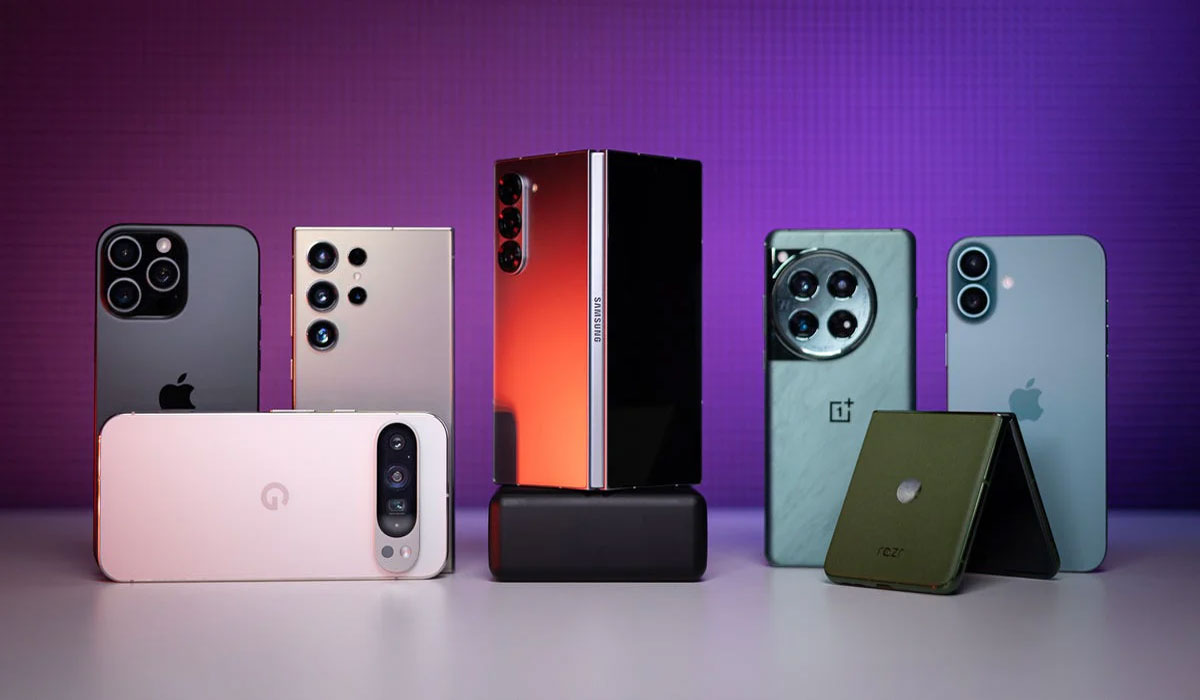
The concept of foldable smartphones is no longer science fiction. By 2026, we’ll see these devices become mainstream, with flexible screens that bend and fold without compromising performance. Manufacturers like Samsung and Huawei have already introduced early foldable models, and the technology is only getting better. By 2026, we’ll have smartphones that offer the functionality of a tablet in the form of a pocket-sized device.
The folding design offers a whole new level of versatility for users, enabling them to enjoy larger screens without sacrificing portability. Whether it’s for watching videos, multitasking, or gaming, foldable phones allow users to experience more screen real estate, all while maintaining a compact form factor when folded. This type of flexibility opens up new possibilities in mobile computing, where one device can adapt to a wide range of activities.
By 2026, foldable technology will likely expand beyond smartphones, with flexible displays appearing in tablets, laptops, and even wearable devices. These innovations will continue to challenge our perceptions of what a phone can be, with tech companies pushing the limits of design and functionality. As foldable and flexible screens become more affordable, we can expect to see a broader adoption of this technology, transforming the overall design language of smartphones.
The Future of Battery Life: More Power, Less Wait
One of the most frustrating aspects of modern smartphones is battery life. Despite constant advancements in performance and features, the battery often seems to be the limiting factor. However, 2026 promises a future where smartphones are powered by more efficient batteries, with longer-lasting power and faster charging capabilities.
Battery technology is already advancing with the development of graphene and solid-state batteries, which promise to offer greater energy density and faster charging times than traditional lithium-ion batteries. By 2026, smartphones may be able to charge fully in under 30 minutes, or even faster, thanks to innovations in charging technology like super-fast wireless charging. These advancements will make it easier than ever to keep your device powered throughout the day, without the constant need for recharging.
Furthermore, energy-efficient hardware and software will be a key part of reducing the overall power consumption of smartphones. AI-powered battery management systems will ensure that your device only uses as much energy as it needs, extending battery life while maintaining performance. With longer-lasting batteries, users will no longer have to worry about their phone dying in the middle of an important call or while capturing that perfect photo.
Conclusion
As we look to 2026, it’s clear that smartphones and tech are evolving at an extraordinary pace. The combination of AI-powered personalization, lightning-fast 5G connectivity, foldable screens, and cutting-edge battery technology will redefine the smartphone experience.
These advancements not only promise to make our devices smarter, but they will also empower us to do more with them than we ever thought possible. From personal assistants that anticipate your needs to phones that adapt to your lifestyle, the future of phones and tech is incredibly exciting, and it’s just getting started. As we move forward, the line between innovation and imagination continues to blur, bringing us closer to a world where our smartphones are more than just tools they are essential extensions of ourselves.
Image Source:
- First Image from Cakra News
- Second Image from Cakrawala University




Leave a Reply