
Telephones and technology have evolved from the invention of Alexander Graham Bell to the era of smartphones and 5G.
Telephones have drastically transformed the way humans communicate. From a simple device that transmitted voice through wires, the telephone has evolved into a smart device that connects billions of people around the globe. This long journey of innovation reflects technological progress that continues to move forward without pause. The telephone no longer serves merely as a communication tool; it represents a symbol of modern lifestyle transformation.
The following Techniquit will discuss the telephone and technology development from Alexander Graham Bell’s discovery to the smartphone and 5G era.
The Beginning of the Telephone
The story of the telephone began in the 19th century when Alexander Graham Bell introduced the first successful voice communication device. He demonstrated his invention in 1876 and opened a new era in long-distance communication. His breakthrough immediately captured global attention because it enabled real-time voice interaction for the first time.
Before the telephone, people relied on letters and telegraphs. These methods required more time and did not allow direct conversation. The telephone created a major shift by allowing two people to speak instantly without meeting face to face.
As time progressed, telecommunication companies built cable networks that connected cities and regions. This infrastructure expanded communication reach and supported economic growth in many countries.
The Rise of Mobile Phones
Technological advancements eventually freed the telephone from physical wires. In the late 20th century, mobile phones gained popularity and reshaped communication habits. People no longer depended on a fixed location to make or receive calls.
Companies such as Nokia and Motorola led the early mobile phone market. These devices offered basic features like voice calls and text messaging. Despite their simplicity, they provided unprecedented communication freedom.
Manufacturers continued to reduce device size while improving design. They competed to deliver longer battery life and stronger signal reception. These innovations turned mobile phones into everyday necessities.
Also Read: Unlocking Success: Strategies for Modern Business Growth
The Smartphone and Internet Era
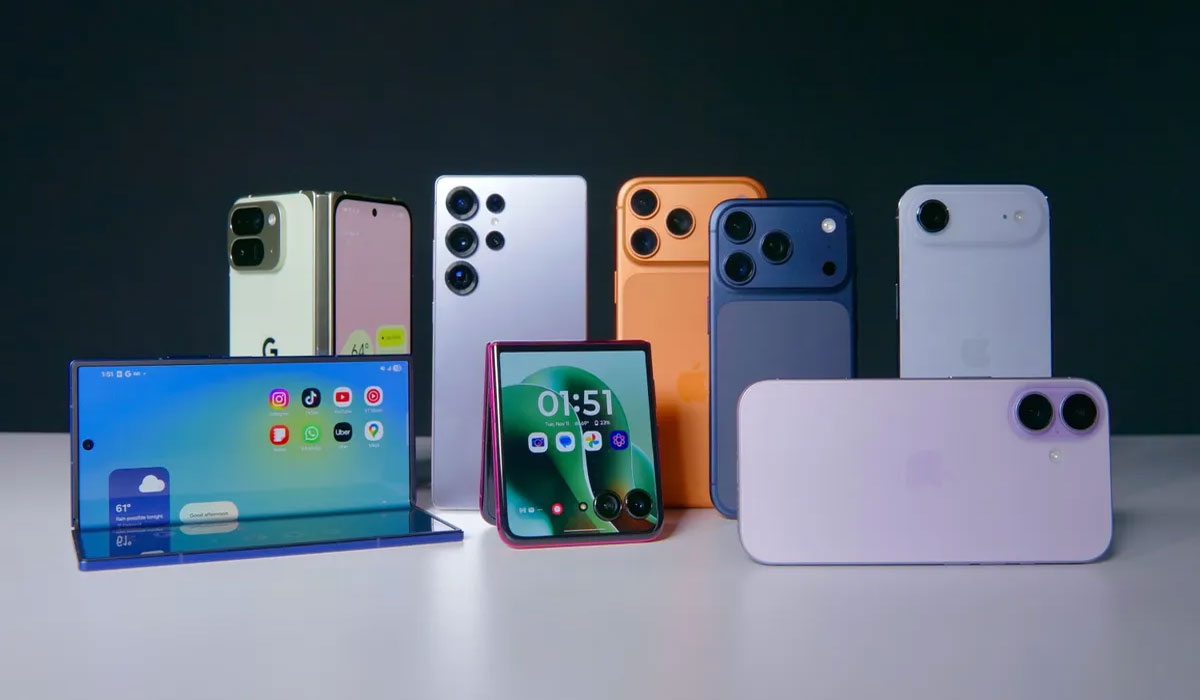
The arrival of smartphones brought even greater transformation. Devices like the iPhone and the Android operating system introduced touchscreens, applications, and internet access in a single handheld device. Telephones began to function as cameras, navigation tools, digital wallets, and entertainment centers.
Users can now send instant messages, make video calls, and access social media within seconds. High-speed internet accelerates the global flow of information. Business, education, and entertainment sectors have all adapted to this digital transformation.
Smartphones also encourage the growth of app ecosystems. Developers create platforms for shopping, transportation, healthcare, finance, and more. The telephone has evolved beyond communication and now serves as a powerful productivity tool.
Social and Cultural Impact
Telephones and digital technology influence how people interact with one another. Communication has become faster and more efficient. Individuals can stay connected with family and colleagues worldwide without distance barriers.
However, rapid technological growth also introduces challenges. Heavy dependence on digital devices may reduce face-to-face interaction. Many people spend hours in front of screens for work and social engagement.
Privacy and data security have become significant concerns. Users must understand the risks of sharing personal information online. Digital awareness plays a crucial role in ensuring technology delivers benefits without harmful consequences.
The Future of Communication Technology
Telephone development continues to advance. 5G network technology delivers much faster internet speeds and lower latency. This innovation creates opportunities for virtual reality, autonomous vehicles, and artificial intelligence-driven services.
Technology companies actively develop new features such as smart voice assistants and integrated home systems. Telephones are becoming central control hubs for personal digital ecosystems. This concept expands the device’s role in everyday life.
In the future, innovators will likely introduce lighter, more flexible, and energy-efficient devices. Telephones and technology will continue to evolve together, shaping how humanity communicates and experiences the modern world.
Image Source:
- First Image from Ivosights
- Second Image from Cyberplus


Leave a Reply